


































The story of a coming-of-age trip becomes a global hit. A movie about students growing up in poverty and violence inspires people across the world. Three emotional and violent stories in Mexico City are linked by one car crash. These are just three examples of Mexican cinema that has been embraced worldwide and helped Mexico become a global force of filmmaking. Through emotional storytelling that dives deeply into culture and films that address real social struggles, Mexican filmmakers have gained worldwide recognition and influenced modern cinema.
Mexican cinema has grown from a regional industry into a major presence in the global film world. Today, Mexican films are featured at international festivals, discussed by critics worldwide, and watched through global streaming platforms. The rise is not just about popularity; it’s about the emotional and honest power behind the movies.
One of the turning points in the rise of Mexican cinema’s international appeal was the movie Y tu mamá también (2001), directed by Alfonso Cuarón and starring Gael García Bernal and Diego Luna. As the film tells a personal story about friendship and growing up, it also reflects Mexico’s social and economic differences. Its achievement showed that specific Mexican cultural stories could connect with people worldwide. Another major film in the ascension of Mexican cinema, an Academy Award nominee for Best Picture, Roma (2018), was also directed by Cuarón. According to Julian Leu in his article “The Main Characteristics of Mexican Cinema,” Roma, set in 1970, reflects Cuarón’s childhood, showcasing family life and social class. The movie is told through the perspective of Cleo, a domestic worker in Mexico City for a wealthy family, who struggles with the loss of her baby. Cleo is played by Yalitza Aparicio, who was making her acting debut in the film and for which she earned an Academy Award nomination for Best Actress. Yalitza, the first Indigenous American woman to be nominated for that award, showed how Mexican cinema can bring visibility to underrepresented voices. In his article, Leu also discusses another early 2000s film, Amores Perros (2000), directed by Alejandro Gonzalez Iñárritu that introduced viewers to a raw and realistic urban life in Mexico City. Its intense storytelling and connected narratives stood out internationally and started to change perceptions of Latin American film.
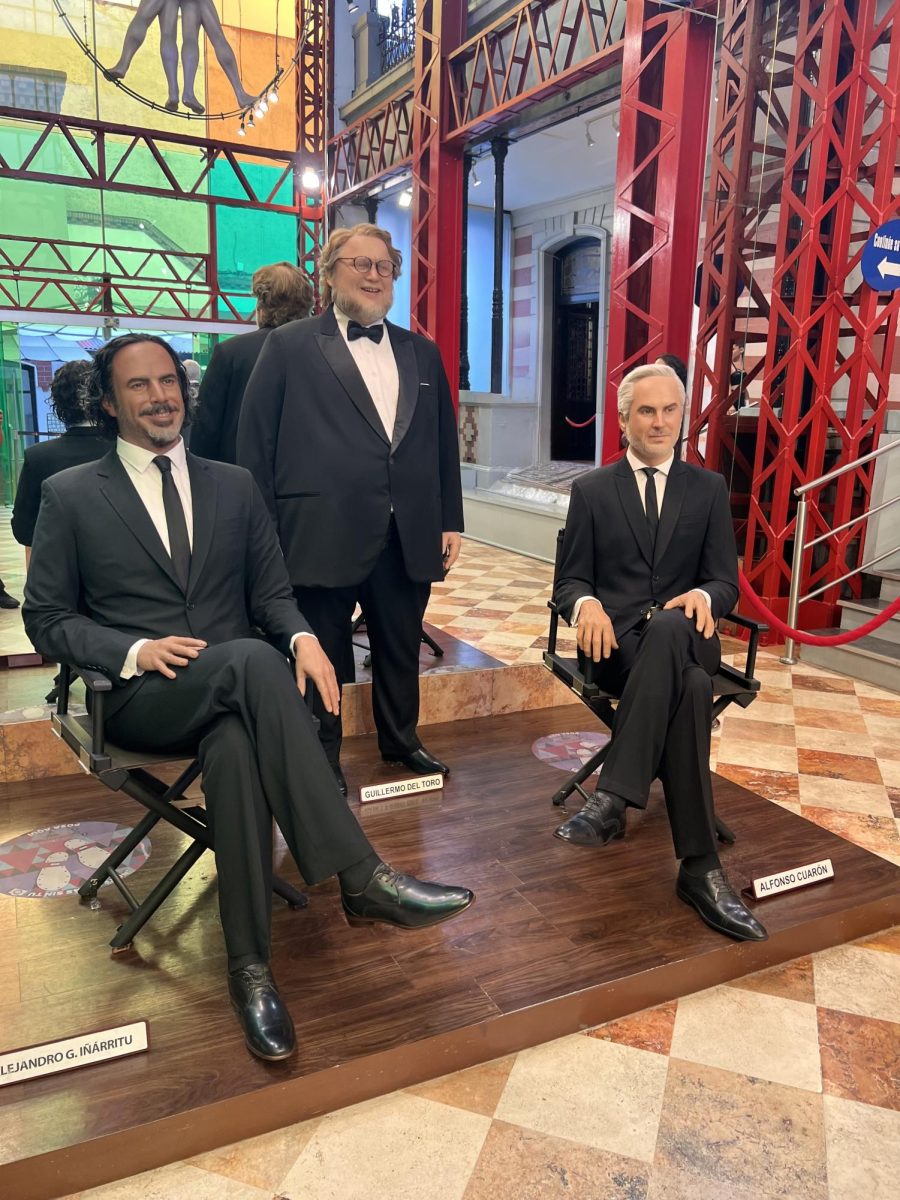
Mexican directors have not just gained recognition, they have changed how films in Hollywood are made around the world. According to the article “The Impact of Mexican Directors on Global Cinema,” from MexicoHistorico.com, Guillermo del Toro is known for combining fantasy with deep emotional themes. Two of his films, The Devil’s Backbone and Pan’s Labyrinth, show how imagination can be used to look back at childhood, trauma, and war. Del Toro has elevated fantasy and horror into emotional narratives while using practical effects over just CGI. His work is carefully designed into gothic aesthetics and creatures so viewers can find the beauty in the scary, like in his movie Frankenstein. Mexico’s “Three Amigos” are well-known directors who all stood out because of their creativity and authentic storytelling. Cuarón is known for his long-take cinematography combined with personal storytelling and his focus on real emotion. He dedicates his work to a detailed environment and raw emotion. These techniques have influenced modern filmmaking by showing how quieter and more personal stories can still have a global audience and influence on viewers, which made his movies popular. His lighter, more indie-style projects like Y tu mamá también forced audiences to pay attention to the background and not just the problem, but both because where the film is centered matters. This is on full display in Roma as the environment of the film plays as big a part in its impact as the plot. Iñárritu is known for his psychological dramas, complex narratives, and intensity. He focuses on creating “in-the-moment” experiences and cinematic long shots as seen in his movies Birdman and The Revenant. His storytelling focuses on identity, human suffering, and connection they have on viewers. His storytelling has a deep character focus and has influenced the structure of modern dramas by elevating modern dramatic acting. Mexican filmmakers are not just a part of Hollywood; they are helping shape its storytelling style.
“Their success has opened doors for more Latin American voices in international cinema.”
A major reason Mexican cinema connects with viewers worldwide is its focus on real social problems. Many Mexican films show inequality, poverty, violence, and class differences. For example, Radical (2023), starring Eugenio Derbez, tells the story of a teacher working in a community affected by violence and poverty. The film focuses on hope, opportunity, and education. The story depicts students acting out in a class that no teacher can handle. However, when a determined teacher comes into their classroom, it changes their lives. It is a real story. It shows how personal determination makes a difference even in difficult conditions. While this is a story that crosses cultures, Radical is a film that touched people’s hearts, knowing that the same thing could be happening anywhere in the world due to violence.
Films like Perfume de violetas and Amarte Duele focus on youth, peer pressure, violence, and social class division. These stories feel honest and real, which helps the audience connect emotionally, even if they live in different countries or speak a different language. The strength of Mexican cinema has influenced diverse genres and authenticity because of the emotional authenticity of the films.