










On Tuesday, December 9th, at midnight, millions of Australian children lost their access to social media as a federal government ban on all users under the age of 16 took effect. The law is designed to get children engaged with the real world by removing social media from the equation.
This ban was set in place to “…shelter those under 16 from addictive algorithms, online predators, and digital bullies,” reports Hillary Whiteman of CNN. Social media companies have agreed to comply with the ban, using age verification to identify all users under the age of 16 and deactivate accounts for those who do not meet age limits, although they feel this won’t necessarily ensure the safety of users. For many parents, this ban is a huge relief, but some believe it will force children to move to darker areas of the internet, which will only put them at a greater risk, according to Victoria Kim of The New York Times
Apps that are considered a part of the ban are Snapchat, YouTube, TikTok, Twitch, META, and Reddit.. However, apps such as Pinterest, YouTube Kids, Discord, and Messenger are exempt from the ban. A CNN article from Hilary Whiteman reports that there has been controversy about the banning of Roblox as it is seen as a threat due to a number of reported child encounters with adult predators on the app. As per the new law, Roblox users will be required to use age verification and will only be allowed to chat with users who are verified to be within their age group.
The New York Times’ Kim reports that Australian officials will monitor the effects of the ban and its impact on children. They will study the outcomes it has on aspects such as sleep, behavior in school, interactions with peers, and the impacts on mental health. In collecting this data, they intend to share results with other countries in support of promoting the online safety of child users.
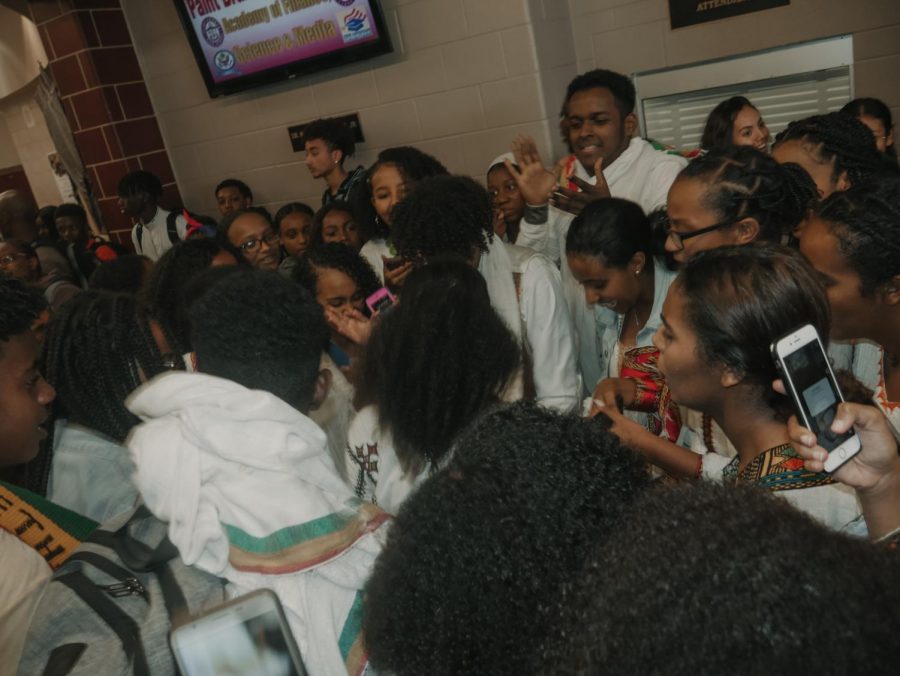
As expected, teen users are not taking this lightly. PB junior Eric Reid expresses sympathy for teens in Australia. “I don’t think social media should be banned for kids under 16 because it helps us to stay connected with friends,” he says. “Banning it won’t fix the real problems.”
Luke Beck from The Guardian, a British newspaper, spoke to two Australian teens, Noah Jones and Macy Neyland, who, with support from the Digital Freedom Project advocacy group, plan to argue that this law is unconstitutional because it defies the implied freedom of communication. With the support and recognition they’ve received, the case will undergo a hearing in 2026.
In the U.S., discussions about the impact of social media on teens happen often. In January 2025, a group of senators, including bill sponsor Hawaii Senator Brian Schatz, a democrat, introduced the “Kids off social media act.” The bill proposes a minimum user age on social media of 13 years old. It will limit access to social media and will also require schools and platforms to enforce restrictions on social media usage. This bill was introduced on January 28th, 2025. It has since only been reviewed and has not yet been passed by the Senate.
Although no laws have been passed in the U.S. at this time that place restrictions on social media like the Australian law, Marie Pentga, a PB senior, feels it wouldn’t be a bad idea. “Social media puts up an image of perfect expectations that causes teens under 16 to damage themselves and their environment,” she says. Ultimately, Australia’s social media ban marks a step forward in addressing the negative effects that social media has on adolescents, and time will tell what impact it has.