



















What do you consider a sport? For many people a sport is where an athlete is able to show their athleticism through games, events, or competitions. However, for one group of athletes–cheerleaders–gaining equal appreciation from people who don’t believe it is a difficult sport.
That is why it is time for cheerleading to take its place alongside other sports like football, basketball, and soccer.
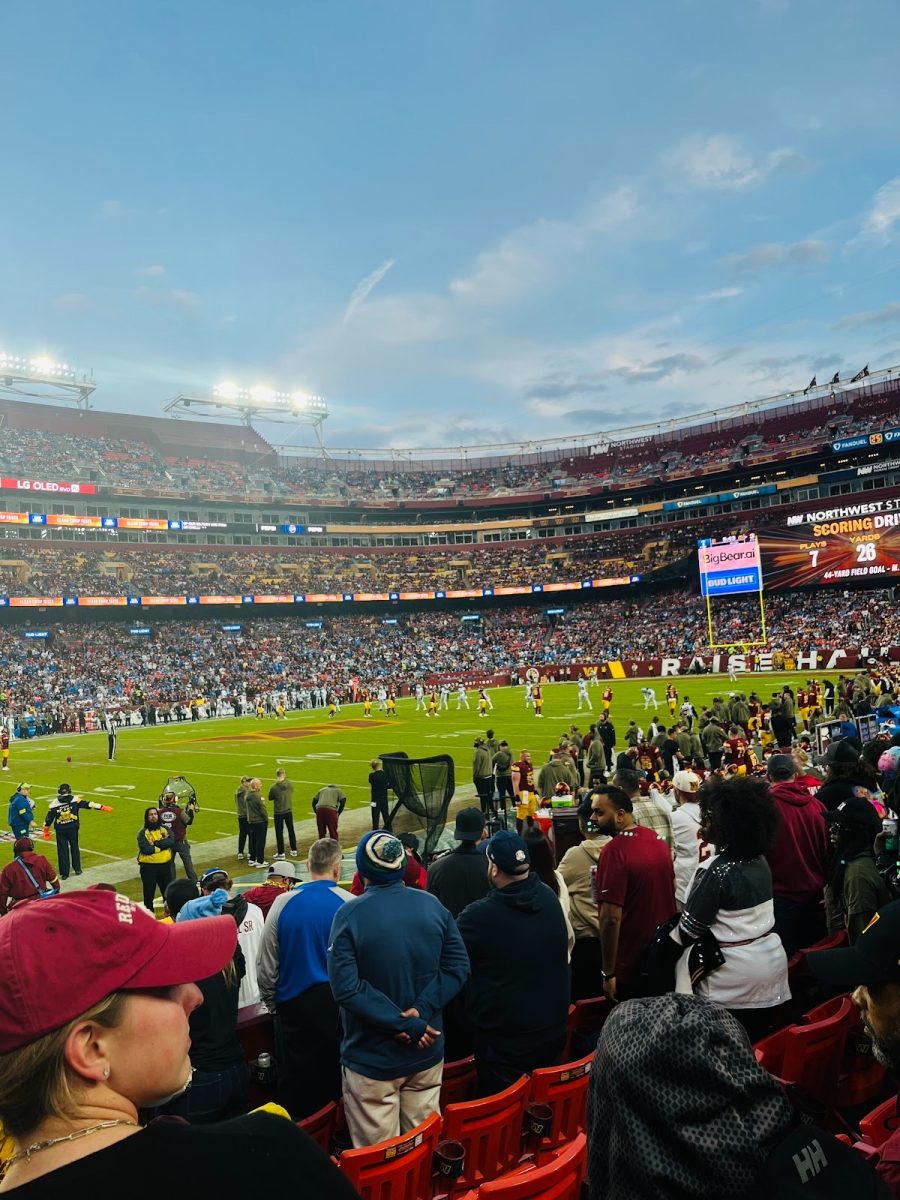
Cheerleading is a dynamic sport where groups come together and perform synchronized routines with stunts, jumps, tumbling, and dance to compete against other cheer teams. Sideline cheer is what most people know as the school cheer team that cheers for other sports like football and basketball. Sideline cheer is about supporting other sports and teams through chants, dance and stunts. Having a sideline cheer team makes other sports like football exciting as cheerleaders get the crowd hyped for their team, and while not everyone understands their role fully, having them on the sideline makes it fun for everyone.
The athleticism of cheer really stands out when you pay attention. There are four positions in stunting: the flyer, who is the top athlete in stunts; main base, which is the person who is on the right basing the flyer up; side base, which is the person on your left that works with the main base to put up their flyer by their feet; and the backspot, which is the person in the back that has the support of the flyer’s ankles. Each position is extremely important as a team would not have anything without each of them. All positions have to work on specific skills to get better as a cheerleader and improve the team. I am a flyer and the main thing I have to work on is my core. Having a strong core as a flyer is important to keep your balance and stay tight in the air. If you are not tight, the stunt will not go well. For bases they need to focus on being strong, focused, and quick to react. Backspots are usually in charge of the entire stunt group and lead the counts, help the bases on what to do, and are usually the support of the group. They need to focus, and being strong is an important part of that.
Some may see cheerleading as just dancing and spiriting – which is hyping up the players and crowd – but it’s way more than that. There are several aspects to what a cheerleader and cheer team does. Cheer includes stunts, jumps, tumbling, and dance choreography. For something to be considered a “sport” most people say that it must be an activity with physical skill, which is exactly what cheer is. Cheer is based on physical skill that requires athleticism, teamwork and commitment. Another important aspect of cheerleading that aligns with other sports is competition. Sideline cheer teams have their own competitions, just as other teams do. For example, Paint Branch cheer has gone to regionals and county and state competitions.
An aspect of all sports that cheerleading shares is the potential for injury. Melanie Bennett writes in her article for United Educators that from fall 1982 through spring 2017, cheerleaders incurred a higher rate of direct catastrophic injuries than any other type of high school athlete. Catastrophic injuries means a severe, life altering injury that can result in long lasting consequences. For many cheerleaders the main injuries they face are sprains, concussions, and dislocations due to stunting. Stunting is the main thing that gets us hurt. For example, baskets, this is when the backspot and bases throw the flyer in the air and the flyer either does a flip or rides it and hits a jump skill. Anyone could get hurt during it and can cause one of those injuries.
Cheer should also be considered a sport because cheerleaders go through intense conditioning and it requires athletic ability. There are four physical demands of cheerleading according to Rockstar Academy: Strength and conditioning, flexibility, cardiovascular endurance, coordination and precision, balance, and agility. If you don’t have any of these, it’s going to be hard to be a cheerleader, just like it would be hard to be an athlete in any other sport.